Meet the Team!
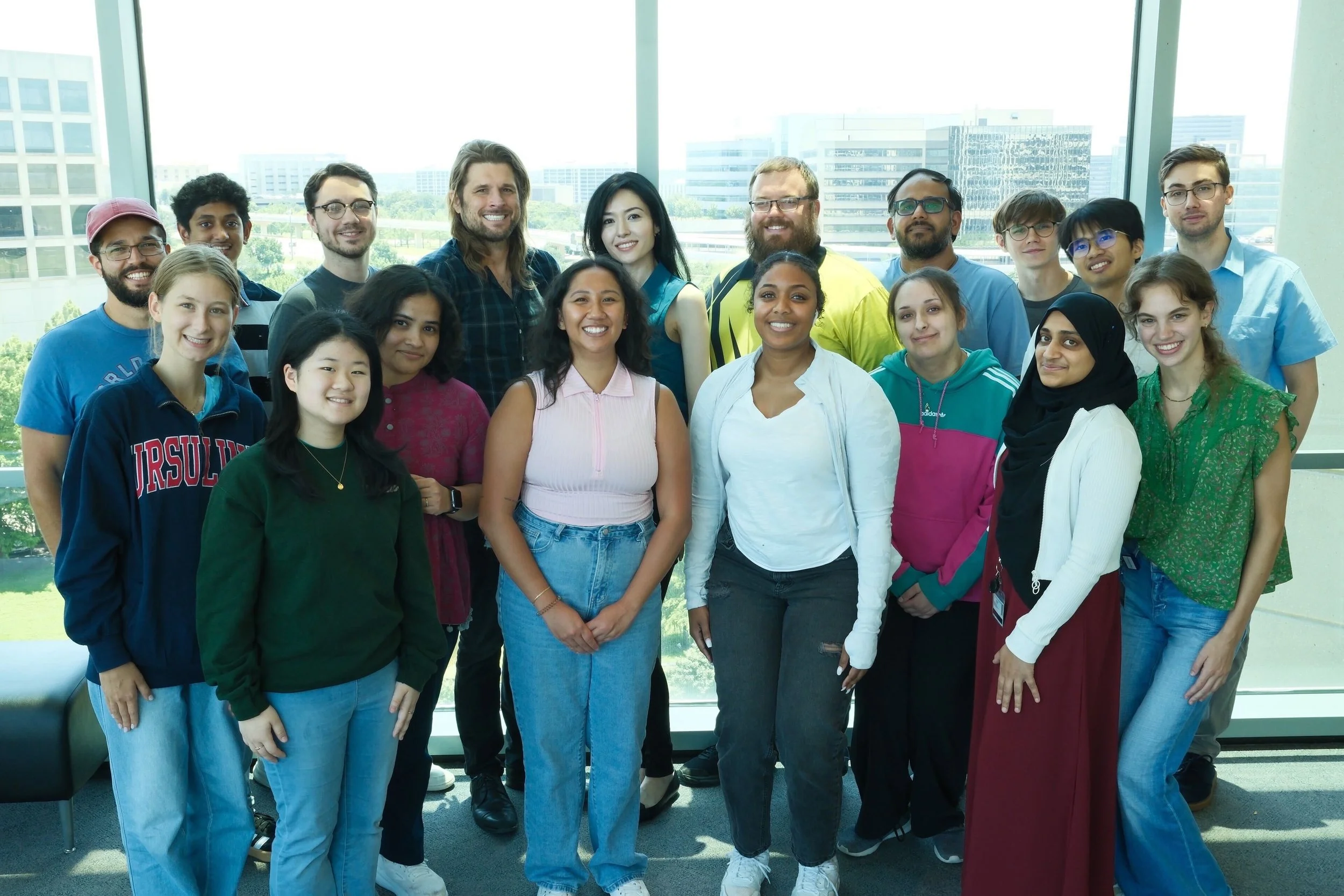
The research collective: The Shahmoradian and Sanders Labs collaborate to understand the cause of and determine the solution to neurodegenerative diseases! PAGE LAST UPDATED: OCTOBER 6, 2026
David W. Sanders (Co-Leader of Lab)

Since 2023, David Sanders has been a tenure-track Assistant Professor of Molecular Biology at UT Southwestern in the Center for Alzheimer’s and Neurodegenerative Diseases (CAND) and the O’Donnell Brain Institute (OBI). Previously, he was a postdoctoral fellow at Princeton University (advisor: Cliff Brangwynne), where he studied the regulation and (dys)function of protein-RNA networks in cellular organization and RNA homeostasis. Before this, he was a graduate student at Washington University in St. Louis (advisor: Marc Diamond). In his PhD work, he determined that different tau protein fibril structures stably replicate to cause distinct neurodegenerative diseases. In 2025, his lab joined forces with Sarah Shahmoradian’s Lab to adopt a cross-disciplinary approach to understanding the origin and progression of neurodegenerative diseases.. Outside of lab, he enjoys music (metal and punk), meteorology, running, and creative writing. He was born and raised in Kansas City and received a Neurobiology BS from the University of Kansas. He values transparency and clear communication. Hopefully, you do too.
// david.sanders [at] utsouthwestern.edu // DWS curriculum vitae
Sarah Shahmoradian (Co-Leader of Lab)
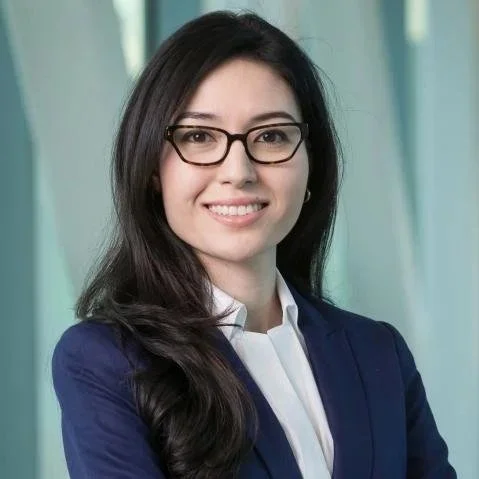
The Sanders Lab primarily collaborates with Sarah Shahmoradian’s Lab. Please see their Lab Website for more complete information on her group!
Sarah is a tenure-track Assistant Professor of Biophysics in CAND within the OBI at UTSW. Sarah trained in neurobiology as an undergraduate, before pursuing cryo-electron microscopy and tomography (cryo-EM/ET) research in the lab of Wah Chiu at Baylor, where she received her PhD. She then trained as a Roche Postdoctoral Fellow in Henning Stahlberg’s laboratory, where she demonstrated that Lewy pathology in Parkinson’s disease is fundamentally membrane-associated. In 2021, she joined UT Southwestern, where her lab integrates cryo-correlative light and electron microscopy, cryo-electron tomography, and single-particle cryo-EM to structurally define the role of lipid-protein complexes in the progression of neurodegenerative diseases.
// sarah.shahmoradian [at] utsouthwestern.edu //
Burak Okumus (Senior Scientist; Co-Advised w/ Sarah)
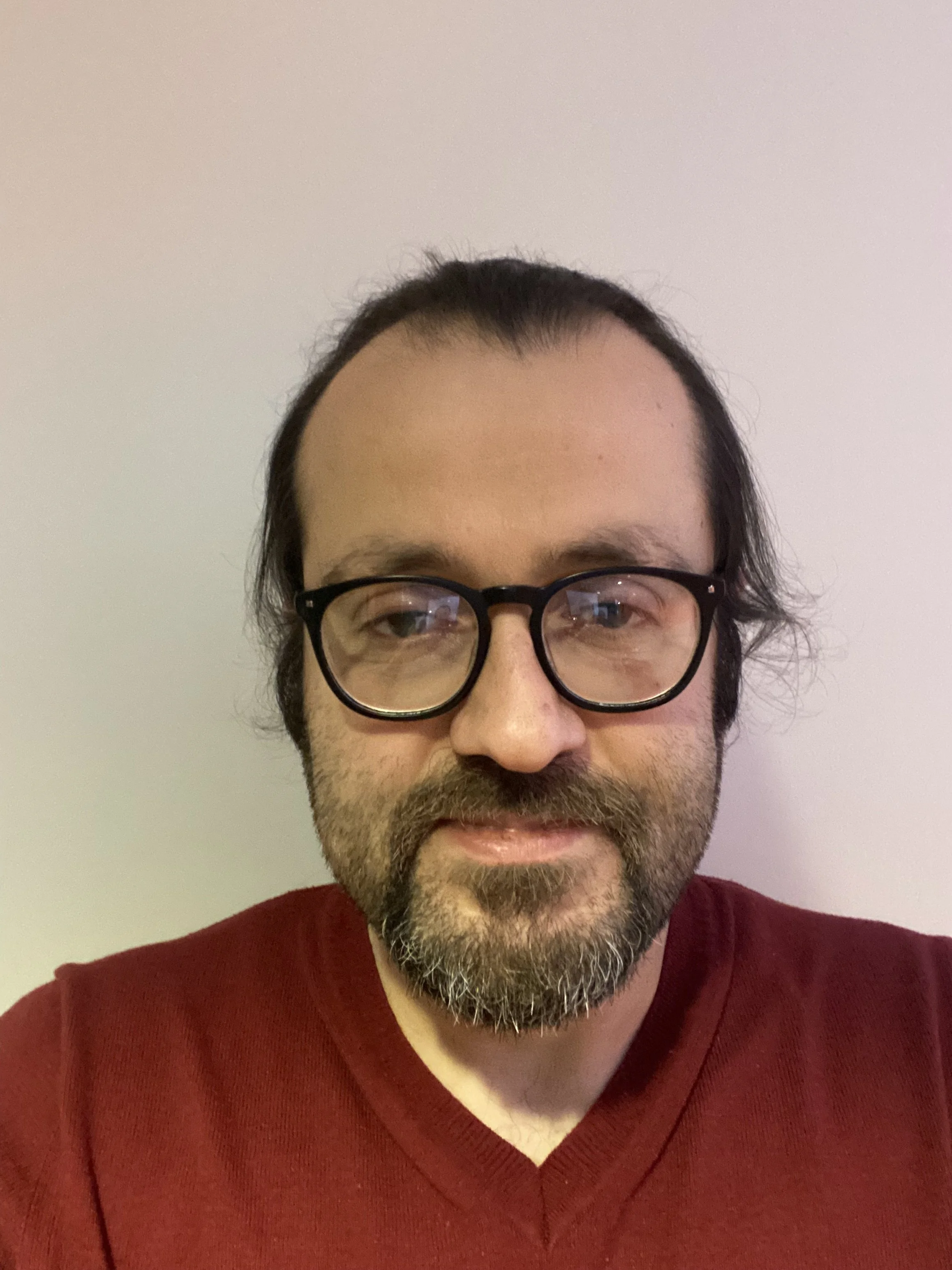
Burak has worked extensively on developing new quantitative methods for studying biological complexity. Burak is currently developing and optimizing new methods for live cell imaging and cryo-EM/ET applications. For his Ph.D. in Biophysics (UIUC, Taekjip Ha), he developed new assays for single-molecule FRET microscopy based-on artificial vesicles (liposomes). For his postdoc (Harvard, Paulsson Lab), he combined his imaging expertise with microfluidics to develop platforms to analyze single-cell heterogeneity. After a brief stint in Ibrahim Cisse's lab (MIT), he transitioned to the biotech industry, starting on Next-Generation Sequencing applications (Illumina then ArcherDX) before developing a finger stick blood-testing platform to quantify biomarkers for cardiovascular disease at XCellCure. Burak returned to academia with a visit to the lab of Alreza Ghanbarpour (WashU) before joining us at UT Southwestern.
// burak.okumus [at] utsouthwestern.edu //
Grigorii Sultanakhmetov (Postdoctoral Fellow)
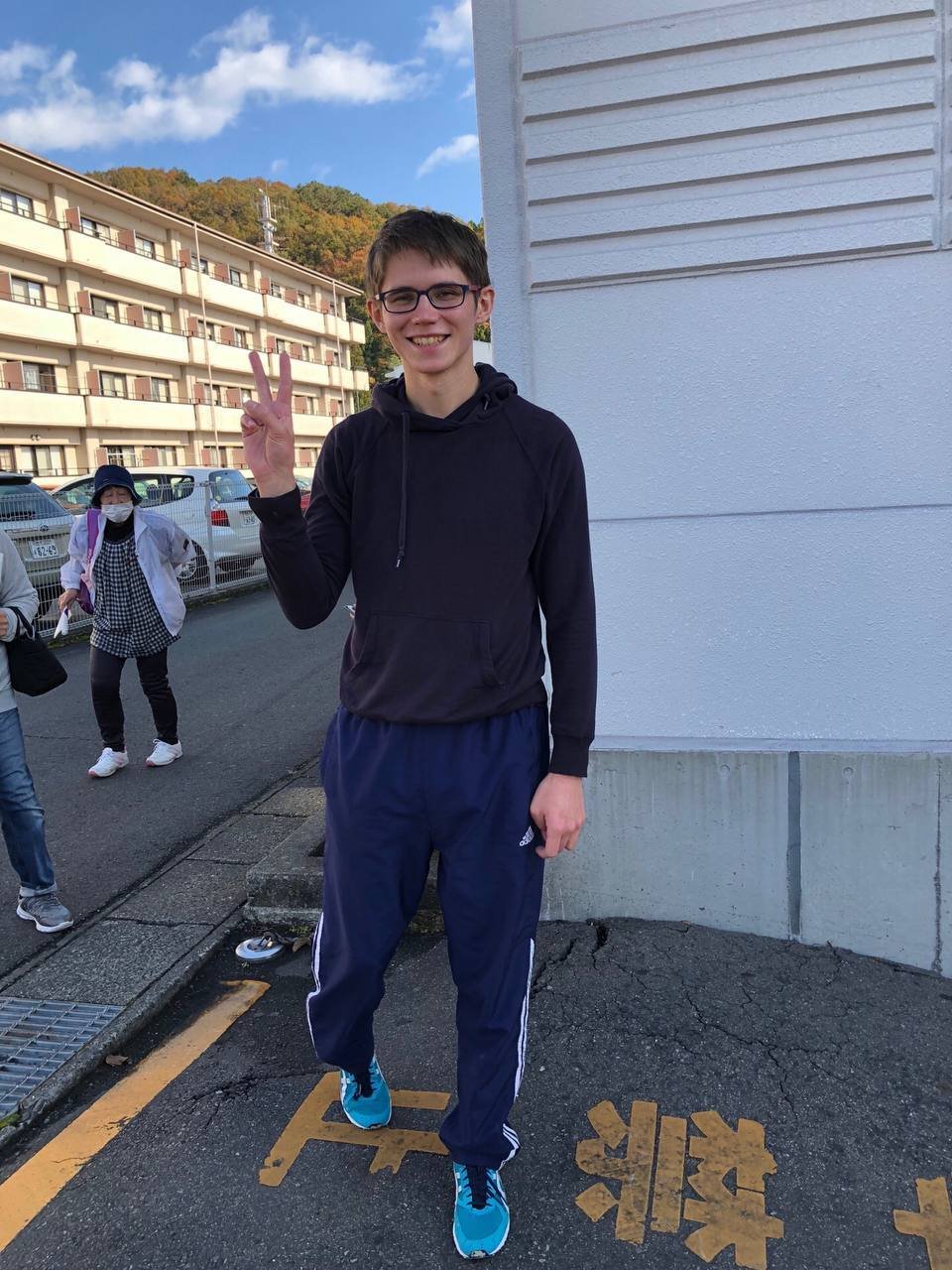
Grisha co-leads the lab’s efforts to develop improved cellular and neuronal models of fibrillar TDP-43 pathology in ALS-FTD and myopathies. He was educated in Russia, earning his Bachelor’s and Master’s degrees in Physics from Lomonosov Moscow State University. He completed his Ph.D. in Molecular Neuroscience at Tokyo Metropolitan University, where he drew new insights into the regulation of tau phosphorylation. Raised in a city of factories, Izhevsk, but in a family with roots in the countryside, he loves landscapes, farmer work, and wild nature. When not in lab, he enjoys hiking, running, futsal, movies, books, and chess.
// grigorii.sultanakhmetov [at] utsouthwestern.edu //
Yasmeen Khan
(Postdoctoral Fellow)

Yasmeen is interested in how pathogenic protein fibrils impair membrane biology and trigger innate immune responses. Yasmeen co-leads our efforts to understand how alpha synuclein fibrils disrupt proteostasis and cellular trafficking. She was educated in Delhi, India, receiving her Bachelor's and Master's in Biochemistry from Delhi University and Jamia Millia Islamia, then earning a PhD from CSIR-Institute of Genomics and Integrative Biology. At CSIR, she characterized the biophysical mechanism by which nucleolin’s RNA-binding domains cooperatively recognize G-quadruplex structures in nucleic acids. Outside of lab, one can find her trying new food, exploring new places, and playing badminton.
// yasmeen.khan [at] utsouthwestern.edu //
Shefali Banerjee
(Senior Scientist)
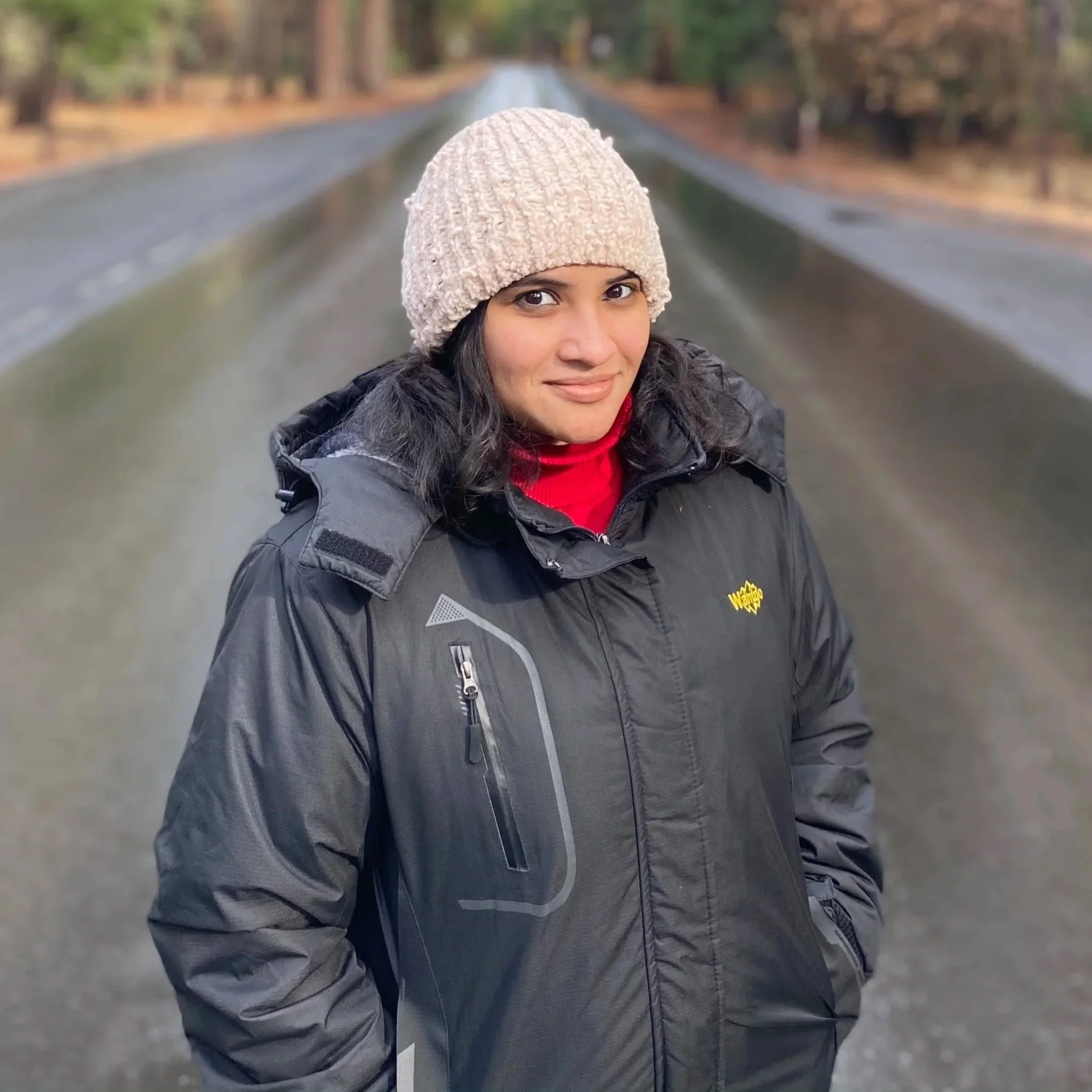
Shefali comes from the RNA and virology world. She is fascinated by how aberrant RNA processing contributes to neurodegeneration, with attention to how protein fibrils corrupt RNA homeostasis.She investigates the role of stress granules and mRNA entanglement in health and diseases of aging, while co-leading efforts to understand the mechanism of tau fibril toxicity. She obtained her PhD from NUS, where she studied how endothelial microRNAs regulate vascular permeability in dengue fever. She subsequently explored the underlying mechanisms that poxviruses use for cross-species adaptation, finding that viruses acquire adaptive viral RNA pol mutations to regulate their transcriptional output in a species-specific manner. Before arriving at UT Southwestern, she demonstrated that DDX39A and B are selectively required for splicing specific pre-mRNAs. Outside of work, Shefali enjoys watching stand-up comedy, listening to Bollywood music, and going on road trips.
// shefalimrinal.banerjee [at] utsouthwestern.edu //
Skyler Taylor
(Research Technician II; Co-Advised w/ Sarah and Marc)
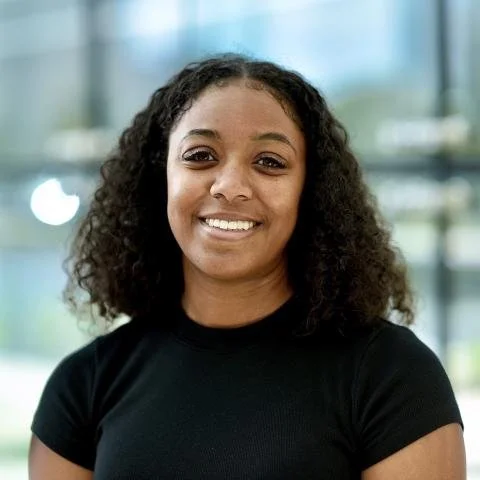
In collaboration with Marc Diamond’s group, Skyler generates new models of protein aggregation in human cortical neurons, microglia, and other cell types derived from human induced pluripotent stem cells (iPSCs). Her tour-de-force efforts have been critical to the lab’s rapid development of unprecedented, disease-relevant models of Parkinson’s Disease, Alzheimer’s, ALS-FTD, and inclusion body myositis. A Dallas native, Skyler earned her bachelor's degree in Biology at Xavier University of Louisiana in New Orleans. Skyler plans to apply to medical school in the next year or so, where she is certain to achieve equal or greater success than what she has already accomplished in the basic sciences.
// Skyler.Taylor [at] utsouthwestern.edu //
Haoxing Liang
(PhD Student; Co-advised w/ Sarah)
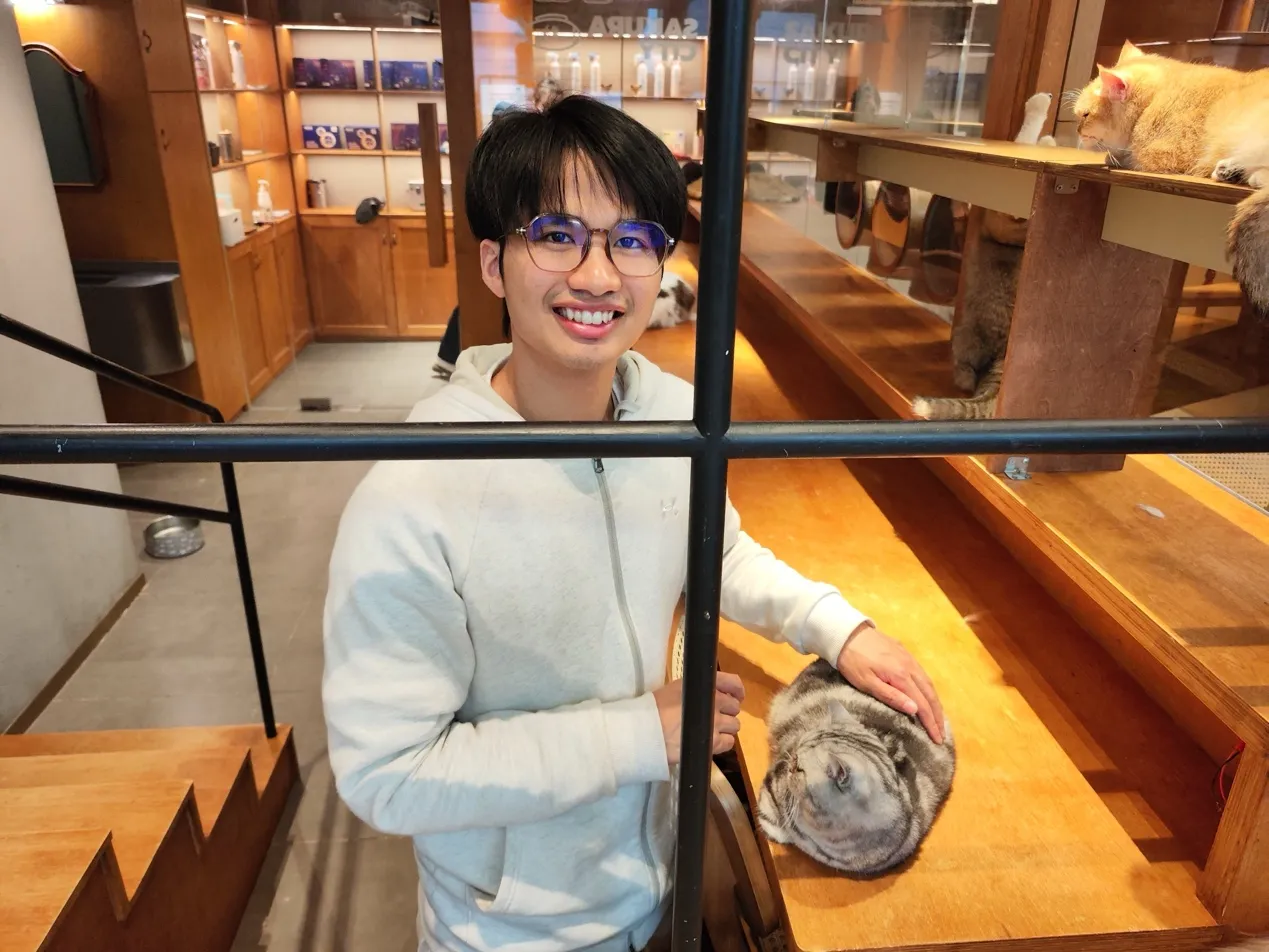
Haoxing is co-leads the lab’s mechanistic inquiries into ALS-FTD disease pathogenesis. He’s is motivated by his deep curiosity about what drives aging in all cells and is passionate about creative bioengineering approaches to undo cellular senescence. He is a second year PhD student in the GDD program at UTSW. Haoxing was born in Guangdong and speaks both Mandarin and Cantonese. Outside the lab, Haoxing enjoys food, reading, and running—he clocks over 42 km every week! His has for big dreams before he completes his PhD: reunite with his family during Chinese New Year, become a better scientist, finish a marathon, and graduate on time.
// haoxing.liang [at] utsouthwestern.edu //
Emma Choo (Data Scientist;
Co-advised w/ Sarah)
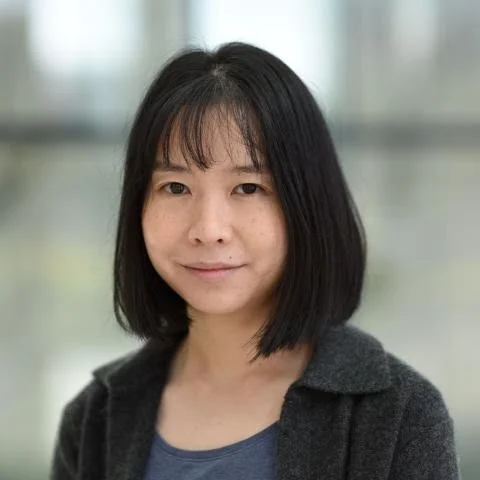
Emma applies computational/machine-learning approaches to high-dimensional cryo-ET datasets. She is interested in improving deep-learning–based methods for EM data analysis, integrating quantitative modeling with experimental measurements to extract biologically meaningful structure–function relationships. Emma received her bachelors degree from University of Washington and then worked at Fred Hutch, where she studied nuclear architecture and membrane stability in micronuclei, applying quantitative methods to relate nuclear structure to chromosomal instability. She then completed her M.S. in Biological Data Science at Arizona State, training in statistical modeling, machine learning, and large datasets, before applying her talents in Ben Tu’s lab (HHMI/ UTSW), where she studied post-transcriptional regulation of mitochondrial biogenesis in neurons.
Yogesh Tak (Postdoctoral Fellow; Co-advised w/ Marc)
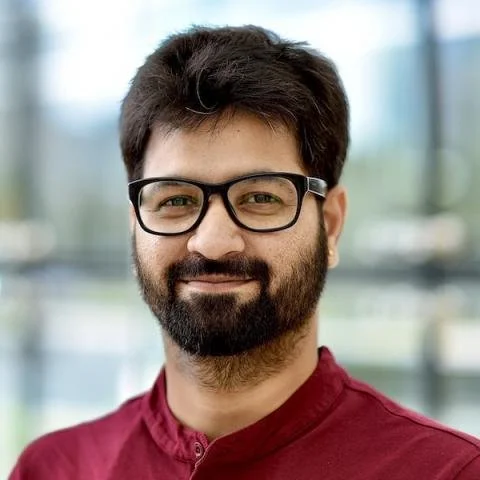
Tak co-leads the lab’s deep-dive into how tau fibrils entrap essential RNA-binding proteins to drive neuronal dysfunction. Tak is from Rajasthan, India, and earned his bachelor’s degree in Life Sciences from University of Rajasthan. He completed his master's degree in Plant Sciences at Delhi University before receiving his PhD from Indian Institutes of Science Education and Research in Bhopal. Here, he identified and characterized aggregate-remodeling chaperones in yeast and plants. Tak joined Marc Diamond’s lab in 2023, where he led inquiries into how tau fibrils bind RNA cofactors and joined us as a co-advised postdoc in late 2025. When not obsessing over electrostatic zippers, he enjoys playing flute, travel photography, and spending time with his wonderful family.
// Yogesh.Tak [at] utsouthwestern.edu //
Alvin Wang (PhD student; Co-advised with Sarah)
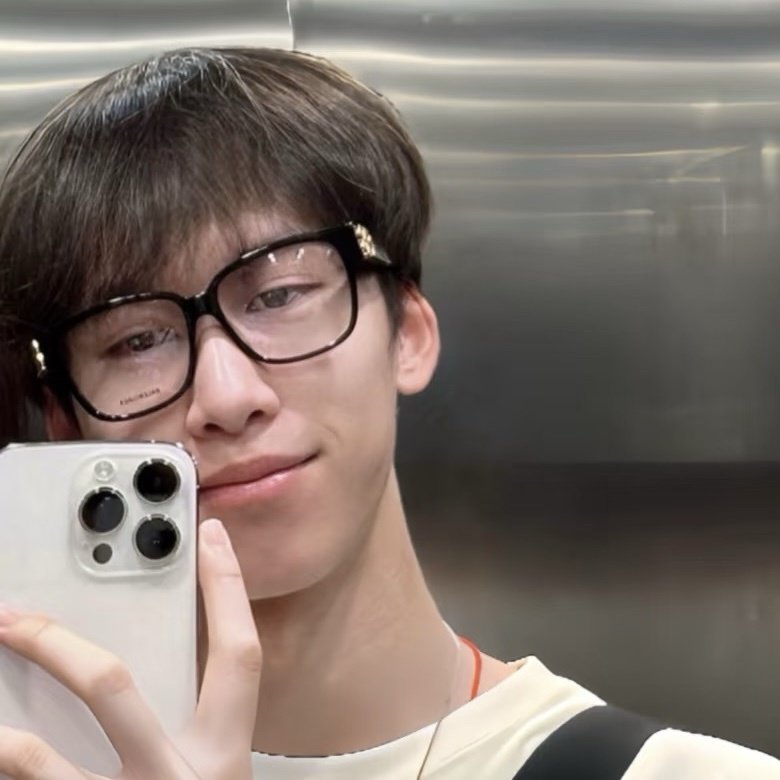
Alvin is a second-year PhD student in the GDD program at UTSW. He was born in Guangdong, China, and moved to New York when he was 13. He earned his Bachelor of Science degree from Stony Brook University. Previously, Alvin worked as a research technician in the Maxfield lab at Weill Cornell Medicine, where he studied intracellular cholesterol transport in the contexts of Niemann-Pick C disease and atherosclerosis. Alvin is interested in how cells maintain protein homeostasis under stress, with a focus on organelle function, lipid metabolism, and quality-control pathways as they pertain to protein aggregation and neurodegeneration. Outside the lab, he enjoys traveling, listening to music, and playing badminton.
// weixiang.wang [at] utsouthwestern.edu //
Romena Alladin (Undergrad researcher; Co-advised w/ Sarah)
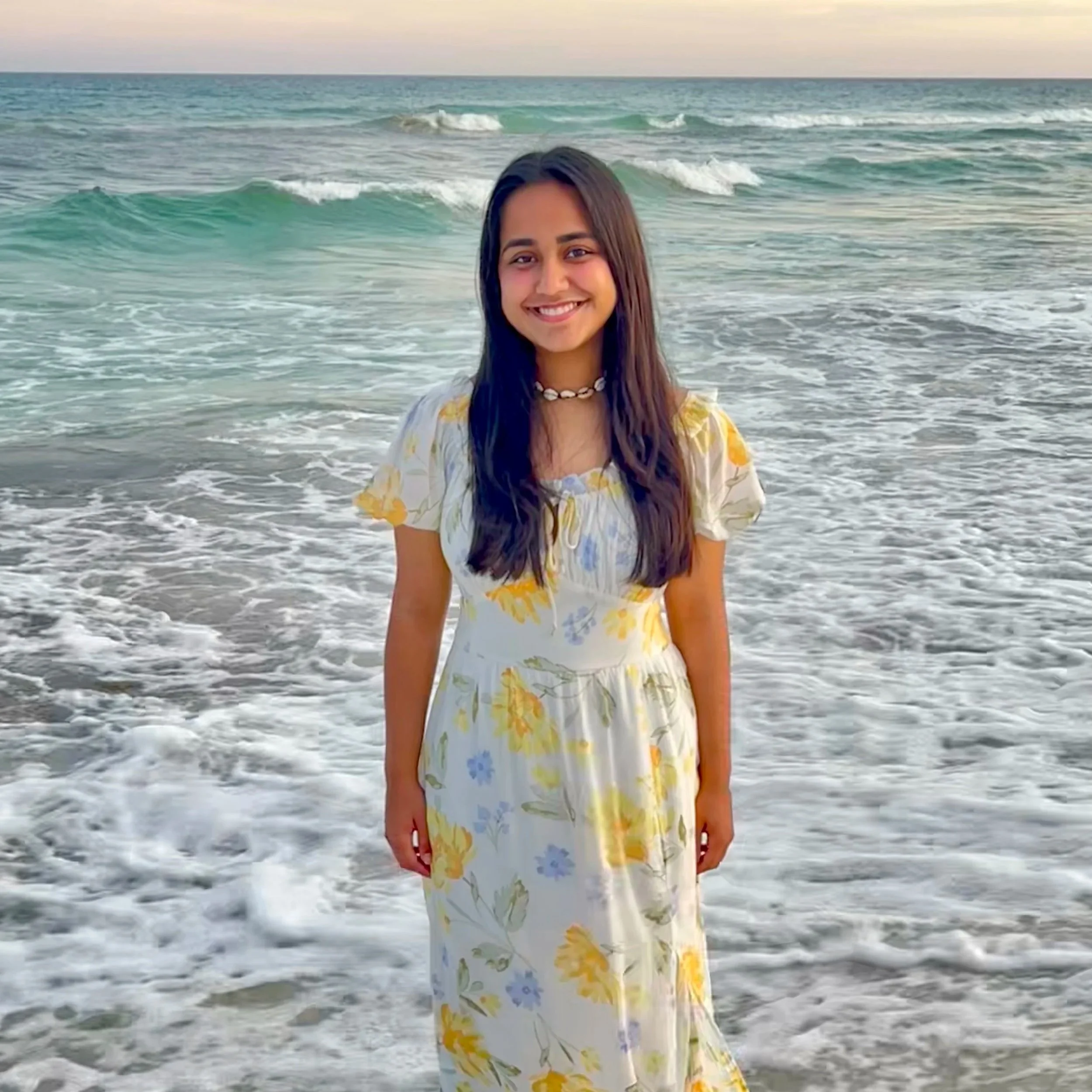
Romena is a sophomore, Human Biology major at UT-Austin, who has a love for anything splicing related. She got interested in neurodegenerative disease research from spending time with individuals with dementia, creating resources for them as part of her Girl Scouts Gold Award project. This experience motivated her to contribute to research on advancing our knowledge of neurodegenerative diseases. She is currently working with Shefali on optogenetic methods to control nuclear speckle (dis)assembly and understand their role in mRNP maturation and export. When not studying or doing research, you can find her trying new restaurants, embroidering, reading, or playing the flute.
// rra983 [at] my.utexas.edu //
Ishita Vats
(High school intern; Co-Advised with Sarah)
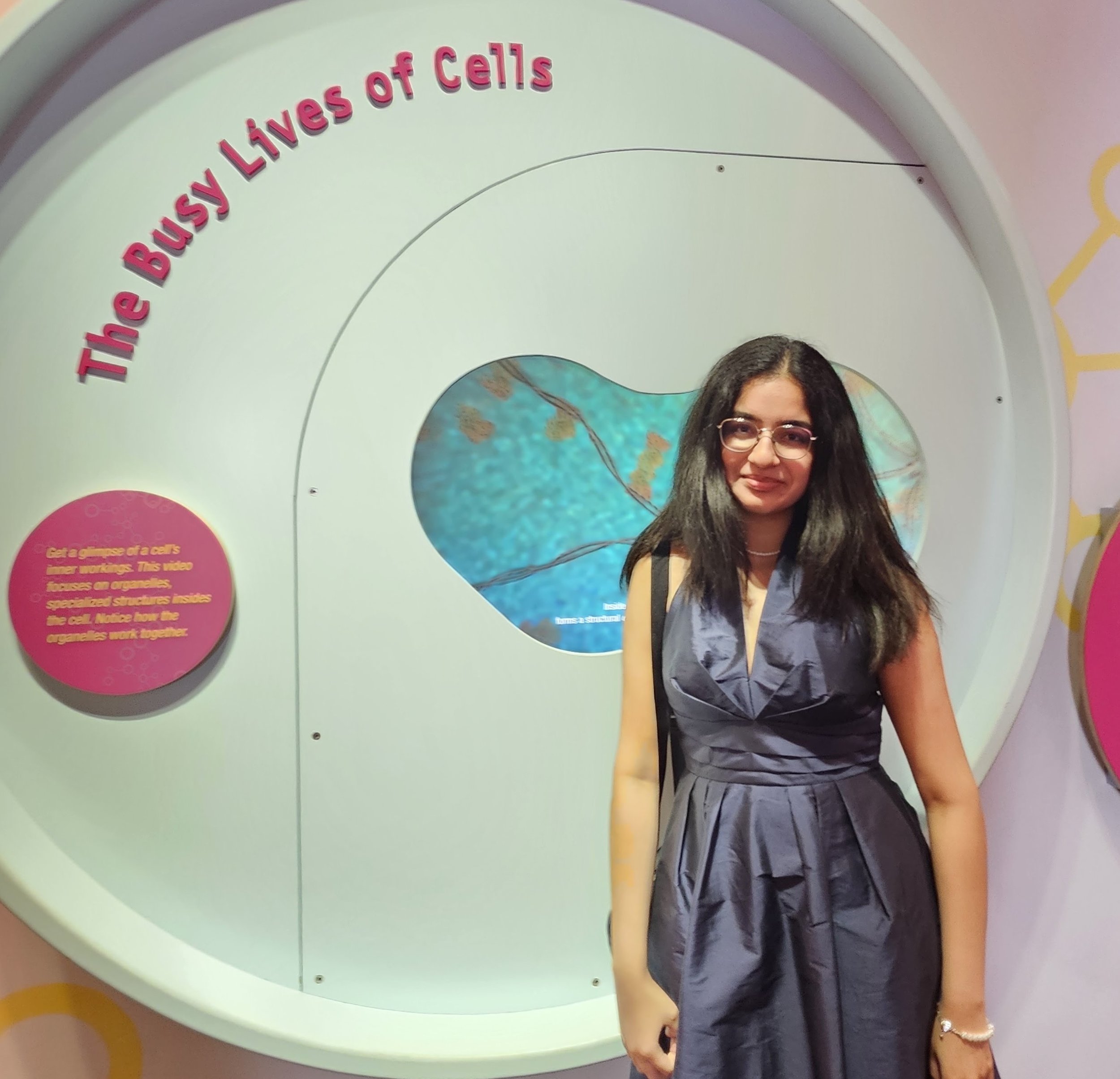
While Ishita has been staying in Plano—which arguably has a better skyline than Dallas—for 2-years now, Ishita considers herself to be a nomad (i.e., she has moved too much to say she is from anywhere). Ishita is a rising senior at Plano East Senior High in International Baccalaureate and loves everything neuroscience and chemistry. Her project involves using SiMPull for cryo-EM imaging of ligand-bound tau fibrils, which she leads with Burak Okumus. The long term goal of her project is to structurally characterize the electrostatic attraction between fibrils and peptides and inform yet-to-be understood densities in the structures of patient-derived fibrils. Outside of doing stoichiometry in her free time, she enjoys designing jackets, bollywood song and dance, and swimming.
// vats.ishita [at] gmail.com //
Krish Khosla (Undergrad researcher; Co-advised w/ Sarah)
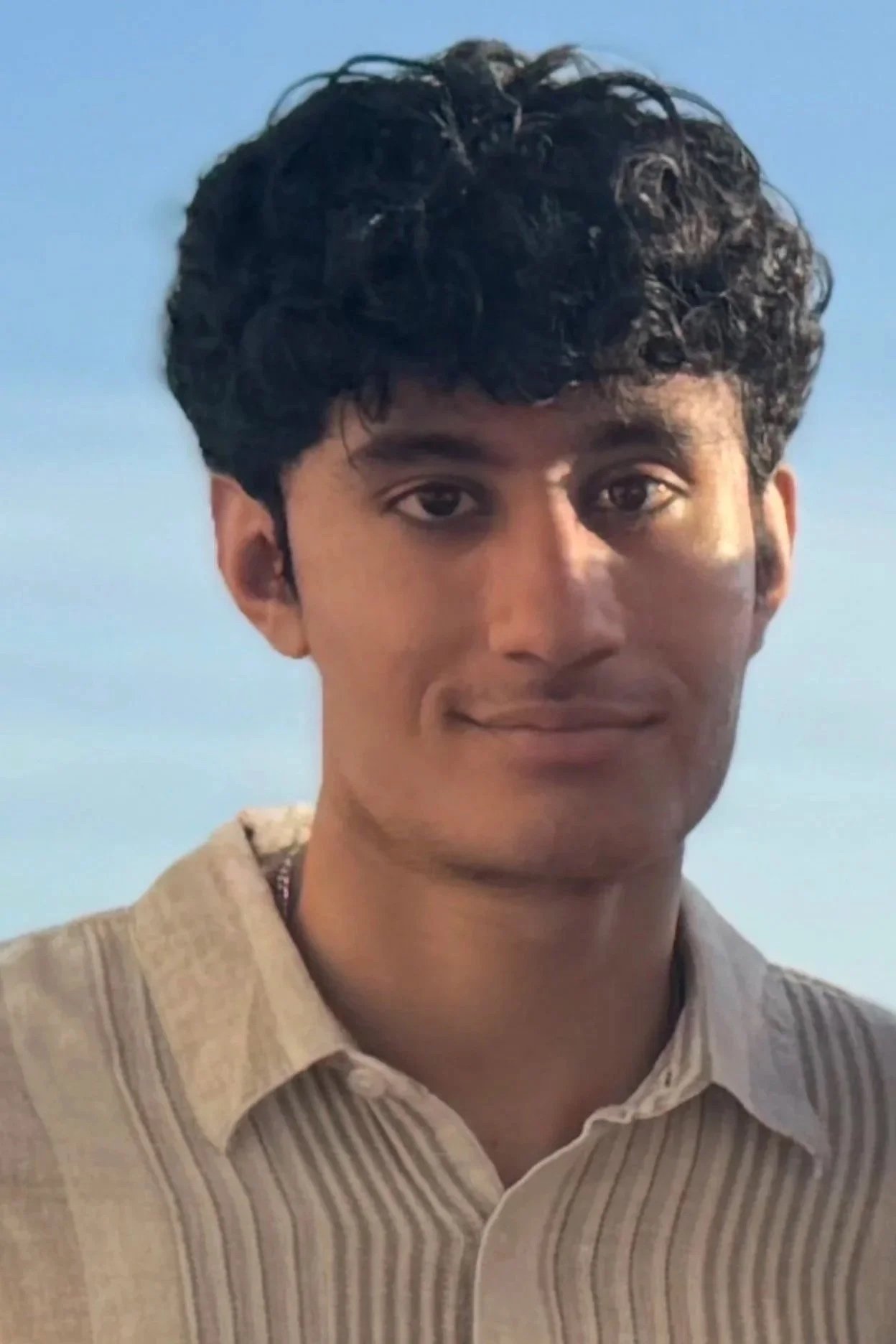
Krish is an undergraduate student at The University of Texas at Austin and is majoring in Neuroscience. He is interested in the pathogenesis of Alzheimers diseases. He collaborates with Tak on determining how tau fibrils bind to essential RNA-binding proteins, sequester them in the cytoplasm, and ultimately cause neuronal death. Outside of lab, his interests include working out, playing pickleball with friends, and watching mystery movies.
// krishkhosla15 [at] gmail.com //
Vaibhav Bommareddy
(MD Student Volunteer)

Vaibhav is a MD student at UTSW. He was born and raised in Houston, TX, and completed his Neuroscience degree at UT Dallas in 2020. He is interested in how misregulation of protein-protein and protein-RNA interactions drive diseases of aging. Vaibhav initiated the lab’s efforts to integrate optogenetic and proteomic approaches into an improved high-throughput screening platform. Recently, he transitioned back to his MD studies semi-full time. He now works in the lab on a part-time basis to develop new tools to image entangled RNA in living cells.
// vaibhav.bommareddy [at] utsouthwestern.edu //
YOU?

We continue to consider applicants at all levels but are primarily recruiting talented AND enthusiastic graduate students enrolled at UT Southwestern. If you are passionate about curiosity-based research at the interface of health and disease, please reach out to David and Sarah by e-mail and include a paragraph about why you are excited about potentially joining the lab!
ALUMNI
Michael Jimenez, Research scientist, 2024-25; Now: STEM teacher, Dallas, TX
Harper Averitt, Undergraduate researcher, 2024-25; Now: Masters student at Baylor University
Srivinya ‘Vinni’ Karusala, Undergraduate researcher, 2024; Now: Undergraduate student at UT-Austin
Rupam Ghosh, Postdoctoral fellow, 2024-25; Now: Postdoctoral fellow in Kendra Fredericks Lab (UTSW)
Lance Hewes, Youth achiever, 2024; Now: Undergraduate student at Northeastern University
Ajay Kota, Youth achiever, 2025; Now: Undergraduate student at UT-Austin
Jenny Chu, Youth achiever, 2025; Now: Student at Hockaday School of Dallas
Sydnie Metrano, STARS Program, 2025; Now: Student at Ursuline Academy of Dallas
Wei-Ren Wang, Rotation student, 2025; Now: PhD student in Lu Sun Lab (UTSW)
Noah Haggerty, Rotation student, 2025; Now: PhD student in Ben Sabari Lab (UTSW)
Tao Liu, Rotation student, 2026; Now: PhD student in Elijah Mena Lab (UTSW)